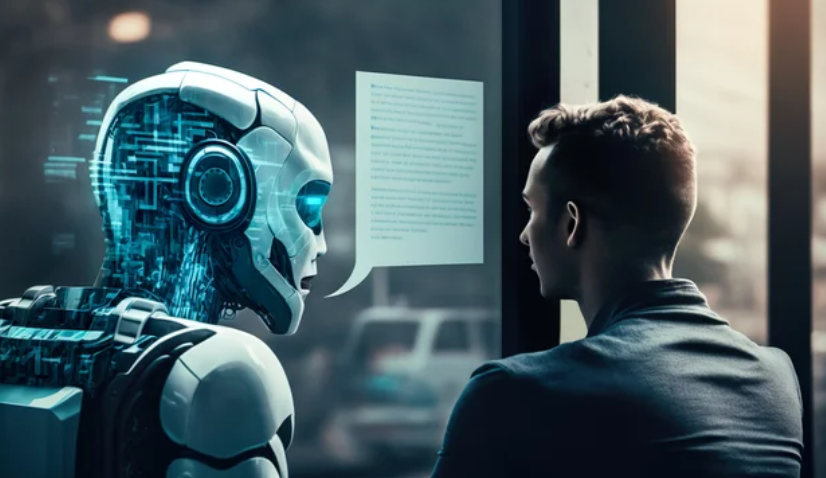
Artificial Intelligence has already transformed the modern world through automation, data analysis, and intelligent decision-making. From virtual assistants and recommendation systems to self-driving cars and advanced medical tools, AI is becoming deeply embedded in everyday life. However, as technology continues to evolve, a new frontier is emerging that could redefine the relationship between humans and machines: emotional intelligence in AI.
Emotional intelligence refers to the ability to understand, interpret, and respond to human emotions. In humans, this includes empathy, self-awareness, social awareness, and emotional regulation. When applied to AI systems, emotional intelligence aims to create machines that can recognize human feelings, respond appropriately, and interact in more natural and meaningful ways.
This development represents a major shift in Artificial Intelligence—from purely logical systems to emotionally aware digital companions. It has the potential to revolutionize industries such as healthcare, education, customer service, and mental health support. At the same time, it raises important ethical and technological questions about privacy, authenticity, and human dependency on machines.
In this article, we explore the rise of emotional intelligence in AI, how it works, its real-world applications, benefits, risks, and what it could mean for the future of human-machine relationships.
Understanding Emotional Intelligence in AI
Emotional intelligence in AI, often referred to as “affective computing,” is a field of technology focused on enabling machines to recognize and respond to human emotions.
Instead of only processing data and executing commands, emotionally intelligent AI systems can analyze:
- Facial expressions
- Voice tone and speech patterns
- Body language
- Text sentiment
- Physiological signals (such as heart rate or stress levels)
By interpreting these signals, AI systems can make more human-like decisions in communication and interaction.
Key Components of Emotional AI
- Emotion recognition
- Sentiment analysis
- Adaptive response systems
- Context-aware communication
- Empathy simulation
These capabilities allow AI to respond in ways that feel more natural, supportive, and personalized.
How AI Learns to Understand Emotions
Emotional AI relies on advanced machine learning models trained on large datasets of human behavior.
Data Sources Used in Emotional AI
- Video recordings of facial expressions
- Audio samples of speech emotions
- Written text and social media posts
- Biometric data from wearable devices
- Psychological research datasets
AI systems analyze this data to detect patterns associated with specific emotions such as happiness, sadness, anger, fear, or frustration.
For example, a customer service AI may detect frustration in a user’s voice and respond more calmly and supportively.
Over time, these systems improve through continuous learning and feedback.
The Importance of Emotional Intelligence in AI
As AI becomes more integrated into human life, emotional understanding becomes increasingly important.
Why Emotional Intelligence Matters in AI
- Improves communication with users
- Enhances user experience
- Builds trust between humans and machines
- Enables personalized responses
- Supports mental and emotional well-being
Without emotional intelligence, AI systems may feel robotic, impersonal, or ineffective in sensitive situations.
Emotional awareness allows AI to better understand human needs beyond just data and logic.
Applications of Emotional Intelligence in AI
Emotional AI is already being applied across several industries, and its use is expected to grow rapidly in the future.
1. Healthcare and Mental Health Support
One of the most impactful uses of emotional AI is in healthcare, especially mental health.
AI-powered systems can:
- Detect signs of depression or anxiety
- Monitor emotional well-being
- Provide mental health support
- Assist therapists in patient analysis
- Offer real-time emotional assistance
For example, an AI chatbot can recognize distress in a user’s message and respond with calming, supportive language or recommend professional help.
While it does not replace human therapists, it can provide immediate emotional support when needed.
2. Education and Personalized Learning
Emotional intelligence in AI is transforming education by making learning more adaptive and responsive.
AI systems can detect when students are:
- Confused
- Frustrated
- Bored
- Engaged
Based on these emotional cues, the system can adjust lesson difficulty, provide encouragement, or change teaching methods.
This creates a more personalized and effective learning experience.
Teachers can also use emotional AI tools to better understand student engagement and emotional well-being.
3. Customer Service and User Experience
Many companies are integrating emotional AI into customer service systems.
Emotionally intelligent chatbots and virtual assistants can:
- Detect customer frustration
- Respond with empathy
- Escalate issues when needed
- Improve communication tone
- Personalize interactions
This leads to higher customer satisfaction and improved brand loyalty.
Instead of rigid automated responses, users experience more natural and human-like conversations.
4. Marketing and Consumer Behavior
Emotional AI is also being used in marketing to better understand consumer behavior.
Companies can analyze emotional reactions to:
- Advertisements
- Products
- Brand messaging
- Online experiences
This allows businesses to design more effective marketing strategies that connect emotionally with audiences.
Understanding emotions helps companies build stronger relationships with customers.
5. Human-Robot Interaction
As robots become more common in homes, workplaces, and public spaces, emotional intelligence plays a key role in improving interaction.
Emotionally aware robots can:
- Respond to human mood changes
- Provide companionship for elderly individuals
- Assist in caregiving environments
- Adapt behavior based on user emotions
This makes robots more helpful, approachable, and socially intelligent.
Benefits of Emotional Intelligence in AI
The integration of emotional intelligence into AI systems offers many advantages.
Key Benefits
- More natural human-machine communication
- Improved mental health support systems
- Enhanced customer satisfaction
- Better education outcomes
- Increased accessibility for users
- Stronger emotional engagement in digital experiences
Emotionally intelligent AI can make technology feel more human-centered and supportive.
Challenges and Risks of Emotional AI
Despite its potential, emotional intelligence in AI also presents significant challenges.
1. Privacy Concerns
Emotionally intelligent AI systems rely on sensitive personal data, including voice, facial expressions, and behavioral patterns.
This raises concerns about:
- Data collection
- Surveillance
- Unauthorized use of emotional data
- User consent
Protecting emotional privacy is essential to prevent misuse.
2. Emotional Manipulation
AI systems capable of understanding emotions could potentially be used to influence or manipulate human behavior.
For example:
- Targeted advertising based on emotional states
- Political messaging tailored to emotional reactions
- Behavioral influence in digital platforms
This creates ethical concerns about manipulation and control.
3. Accuracy and Misinterpretation
AI systems may sometimes misinterpret human emotions.
Cultural differences, individual behavior variations, and context can affect emotional expression.
Incorrect emotional analysis could lead to inappropriate responses or decisions.
4. Over-Reliance on Machines
If people begin relying too heavily on emotionally intelligent AI systems, it may reduce human-to-human emotional interaction.
This could impact:
- Social skills
- Real-world relationships
- Emotional independence
Maintaining balance is important for healthy social development.
5. Ethical Questions
Emotional AI raises deep ethical questions such as:
- Can machines truly understand emotions?
- Should AI simulate empathy?
- Is emotional AI authentic or artificial?
- Who is responsible for emotional decisions made by AI?
These questions remain open for ongoing debate.
The Future of Emotional Intelligence in AI
The future of emotional AI is expected to become more advanced and widespread.
Possible Future Developments
- Fully emotionally aware virtual assistants
- AI companions for mental health support
- Emotion-sensitive smart environments
- Advanced humanoid robots with emotional interaction
- Personalized emotional learning systems
As technology improves, emotional AI may become a standard feature in many digital systems.
However, ensuring ethical development will be crucial.
Human Emotional Intelligence vs AI
While AI can simulate emotional understanding, human emotional intelligence remains unique.
Humans naturally experience:
- Genuine empathy
- Conscious emotional awareness
- Deep personal relationships
- Moral and ethical judgment
AI, on the other hand, processes emotional data without true feelings or consciousness.
This distinction is important in understanding the limits of emotional AI.
Conclusion
Emotional intelligence in AI represents the next frontier in the evolution of technology. By enabling machines to recognize and respond to human emotions, AI systems are becoming more interactive, supportive, and human-centered.
The potential benefits are significant, especially in healthcare, education, customer service, and human-robot interaction. Emotional AI could improve communication, enhance user experiences, and provide meaningful support in areas where emotional understanding is essential.
However, this advancement also brings important challenges, including privacy risks, emotional manipulation, ethical concerns, and potential over-dependence on machines.
As emotional AI continues to develop, the key to success will lie in responsible innovation. Balancing technological progress with ethical safeguards will ensure that emotional intelligence in AI enhances human life without compromising trust, privacy, or authenticity.
Ultimately, the future of emotional AI is not about replacing human emotion—it is about creating technology that understands, supports, and works alongside it in a more meaningful way.
Also Read :