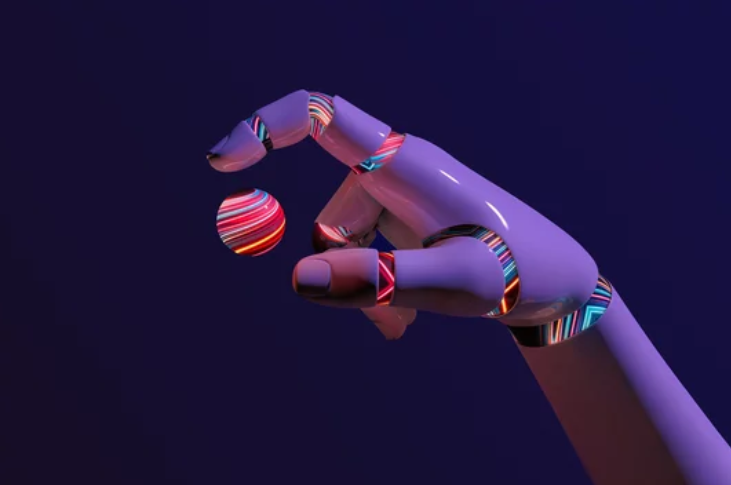
Artificial intelligence is transforming the world through the rapid evolution of smart technologies. From smart homes and wearable devices to autonomous vehicles and intelligent cities, AI-powered systems are becoming deeply integrated into daily life. These technologies are changing how people communicate, work, travel, shop, and interact with the world around them.
The combination of AI, automation, cloud computing, and connected devices has created a new era of intelligent living. Smart technologies can collect data, analyze patterns, make decisions, and adapt to user behavior in real time. As these systems become more advanced, they are improving convenience, efficiency, productivity, and personalization across nearly every industry.
The future of smart technologies will likely reshape society on a global scale. However, alongside innovation come important questions about privacy, cybersecurity, ethics, and the role of humans in an increasingly automated world.
Understanding how artificial intelligence is driving the evolution of smart technologies is essential for preparing for the future digital economy and connected society.
What Are Smart Technologies?
Smart technologies are devices, systems, or platforms that use artificial intelligence, sensors, data analytics, and internet connectivity to perform tasks intelligently and autonomously.
Unlike traditional technologies, smart systems can learn from user behavior, adapt to changing conditions, and improve performance over time.
Examples of smart technologies include:
- Smart home devices
- Virtual assistants
- Wearable fitness trackers
- Autonomous vehicles
- Smart healthcare systems
- Intelligent manufacturing equipment
- Smart city infrastructure
- AI-powered communication platforms
These technologies often rely on the Internet of Things (IoT), where connected devices communicate and share information through networks.
Artificial intelligence acts as the “brain” behind these systems, enabling them to analyze data and make intelligent decisions.
The Role of AI in Smart Technology Development
Artificial intelligence is the driving force behind modern smart technologies. AI systems process enormous amounts of information and identify patterns that allow devices to respond intelligently to users and environments.
Machine learning, deep learning, computer vision, and natural language processing are key AI technologies supporting smart systems.
AI enables smart technologies to:
- Recognize speech and language
- Predict user behavior
- Automate routine tasks
- Improve energy efficiency
- Enhance security and safety
- Personalize user experiences
- Analyze data in real time
As AI continues evolving, smart technologies are becoming more accurate, responsive, and capable of operating with minimal human intervention.
Smart Homes and Intelligent Living
One of the most visible examples of AI-driven smart technology is the smart home. Intelligent home systems allow users to control lighting, security, appliances, entertainment, and climate settings remotely or automatically.
AI-powered smart home devices can learn household routines and preferences. For example, thermostats can adjust temperatures based on occupancy patterns, while lighting systems optimize energy usage automatically.
Smart home technologies include:
- Voice-controlled assistants
- Smart security cameras
- Automated locks and alarms
- Intelligent kitchen appliances
- Energy management systems
- Connected entertainment devices
These innovations improve convenience, comfort, and energy efficiency.
In the future, smart homes may become fully integrated ecosystems where AI systems anticipate user needs and manage entire living environments autonomously.
AI and Wearable Technology
Wearable technology has evolved significantly with the integration of artificial intelligence. Smartwatches, fitness trackers, and health-monitoring devices now provide real-time insights into physical activity, heart rate, sleep patterns, and overall wellness.
AI-powered wearables can analyze health data and detect unusual patterns that may indicate medical conditions or health risks.
Future wearable technologies may include:
- Advanced biometric monitoring
- AI-driven mental health analysis
- Personalized fitness coaching
- Real-time disease detection
- Smart augmented reality glasses
These devices may transform preventive healthcare by enabling continuous monitoring and early diagnosis.
The combination of AI and wearable technology is creating more personalized and proactive approaches to health and wellness.
Smart Cities and Urban Transformation
Artificial intelligence is playing a major role in the development of smart cities. Urban areas are using AI-powered technologies to improve transportation, infrastructure, energy management, and public services.
Smart city technologies include:
- Intelligent traffic management systems
- Smart energy grids
- Automated public transportation
- AI-powered surveillance systems
- Environmental monitoring sensors
- Waste management optimization
AI systems analyze urban data in real time to reduce congestion, improve safety, and optimize resource usage.
Future smart cities may become highly connected environments where infrastructure adapts dynamically to population needs and environmental conditions.
These innovations could improve sustainability, reduce pollution, and enhance quality of life for millions of people.
Autonomous Vehicles and Smart Transportation
Transportation is undergoing major transformation through AI-powered smart technologies. Autonomous vehicles rely on machine learning, sensors, cameras, and real-time data analysis to navigate roads and avoid obstacles.
Smart transportation systems can improve:
- Traffic flow and efficiency
- Road safety
- Fuel consumption
- Logistics and supply chain operations
- Public transportation management
Self-driving cars, delivery drones, and autonomous trucks may become increasingly common in the future.
AI-driven transportation systems could reduce accidents caused by human error while improving mobility and accessibility.
However, widespread adoption of autonomous systems also raises important legal, ethical, and cybersecurity concerns.
AI in Smart Healthcare Systems
Healthcare is one of the industries experiencing the greatest impact from smart technologies and artificial intelligence.
AI-powered healthcare systems can analyze medical data, monitor patients remotely, and assist doctors in diagnosis and treatment planning.
Smart healthcare technologies include:
- Remote patient monitoring devices
- AI-assisted medical imaging
- Robotic surgical systems
- Virtual healthcare assistants
- Predictive disease analysis tools
These systems improve healthcare efficiency and accessibility while supporting personalized treatment approaches.
Future smart healthcare ecosystems may combine wearable devices, AI diagnostics, and telemedicine into fully connected digital health networks.
Artificial intelligence has the potential to revolutionize disease prevention, early detection, and patient care worldwide.
The Growth of Smart Manufacturing
Artificial intelligence is also transforming industrial production through smart manufacturing technologies.
Factories are increasingly using AI-driven automation, robotics, and predictive maintenance systems to improve productivity and reduce operational costs.
Smart manufacturing technologies can:
- Monitor equipment performance
- Predict maintenance needs
- Optimize production schedules
- Improve quality control
- Reduce waste and energy usage
These intelligent systems create more efficient and flexible production environments.
The future of manufacturing may involve highly automated “smart factories” where machines communicate and coordinate operations independently.
AI and Smart Communication Technologies
Communication technologies are becoming smarter through artificial intelligence and automation.
AI-powered communication systems support:
- Real-time language translation
- Intelligent virtual assistants
- Personalized content recommendations
- Automated customer service chatbots
- Voice recognition technologies
These systems improve accessibility and streamline digital interactions.
Future communication platforms may become even more immersive through augmented reality, virtual reality, and emotionally intelligent AI systems.
Smart communication technologies are making global interaction faster, more efficient, and increasingly personalized.
Cybersecurity Challenges in Smart Technologies
As smart technologies become more connected, cybersecurity risks are increasing significantly.
Smart devices often collect and transmit sensitive personal and operational data, making them attractive targets for cybercriminals.
Potential risks include:
- Data breaches
- Unauthorized surveillance
- Device hacking
- Identity theft
- Manipulation of smart infrastructure
AI itself can both strengthen and threaten cybersecurity systems. Intelligent security tools can detect cyberattacks in real time, but malicious actors may also use AI to create more sophisticated threats.
Protecting smart technologies will require stronger encryption, secure network infrastructure, and responsible AI governance.
Privacy Concerns in an AI-Driven World
The evolution of smart technologies raises major privacy concerns because these systems continuously collect and analyze personal data.
Smart homes, wearable devices, communication platforms, and connected vehicles generate enormous amounts of information about users’ habits, behaviors, and locations.
Without proper safeguards, this data could be misused for surveillance, manipulation, or unauthorized commercial purposes.
Governments and technology companies are increasingly developing regulations focused on:
- Data protection
- User consent
- Transparency in AI systems
- Ethical data usage
- Consumer privacy rights
Building trust in smart technologies will depend heavily on responsible data management and strong privacy protections.
The Future of Human-AI Interaction
As smart technologies evolve, interactions between humans and AI systems will become more natural and integrated into daily life.
Future AI systems may understand emotions, context, and personal preferences more accurately, enabling highly personalized experiences.
Human-AI collaboration may expand across areas such as:
- Education and learning
- Healthcare support
- Workplace productivity
- Entertainment and creativity
- Scientific research
Rather than replacing humans entirely, many smart technologies are designed to enhance human capabilities and simplify complex tasks.
The future relationship between humans and intelligent systems will likely shape social behavior, communication, and work culture.
Ethical Challenges of Smart Technologies
The rapid expansion of AI-driven smart technologies also creates ethical concerns.
Key ethical questions include:
- How much autonomy should machines have?
- Who is responsible when AI systems fail?
- How can bias in AI algorithms be prevented?
- Should surveillance technologies have limits?
- How can societies ensure equal access to smart technologies?
Ethical AI development will become increasingly important as smart systems gain greater influence over everyday life.
Governments, businesses, and researchers must work together to create standards that prioritize fairness, transparency, and human well-being.
The Future of Smart Technology Innovation
The future of smart technologies will likely involve even deeper integration of artificial intelligence into society.
Emerging innovations may include:
- Fully autonomous homes and cities
- AI-powered personal assistants with emotional intelligence
- Brain-computer interfaces
- Advanced robotics and humanoid machines
- Hyper-personalized digital experiences
- Intelligent environmental management systems
These technologies could transform industries, economies, and lifestyles in ways that are difficult to fully predict today.
The next generation of smart technologies may redefine how people live, work, travel, and interact with the world.
Conclusion
Artificial intelligence is driving the evolution of smart technologies and transforming nearly every aspect of modern life. From smart homes and wearable devices to autonomous vehicles and intelligent cities, AI-powered systems are creating a more connected, efficient, and personalized world.
These technologies offer enormous benefits, including improved healthcare, better transportation, enhanced communication, and increased productivity. However, they also introduce challenges related to privacy, cybersecurity, ethics, and social impact.
The future of smart technologies will depend on responsible innovation, strong regulations, and a commitment to ensuring that AI serves humanity positively.
As artificial intelligence continues advancing, smart technologies will become even more integrated into daily life, shaping the future of society and redefining the relationship between humans and machines in the digital age.
Also Read :