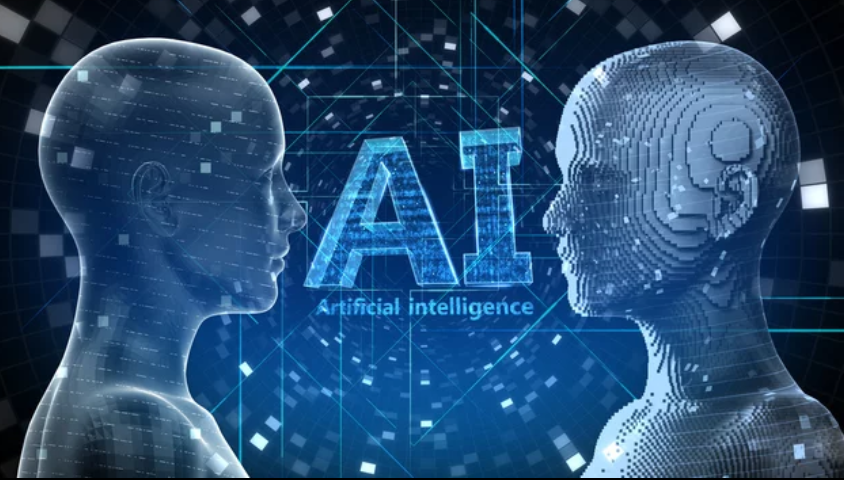
Artificial intelligence is rapidly becoming one of the most influential technologies of the 21st century. Governments around the world are recognizing that AI has the power to transform economies, national security, healthcare, education, transportation, and nearly every aspect of society. As AI systems continue to evolve, countries are investing heavily in research, infrastructure, regulations, and workforce development to remain competitive in the future digital economy.
The race to lead in artificial intelligence is no longer limited to technology companies. National governments are actively preparing for an AI-driven future by creating policies, funding innovation, and building ethical frameworks. They understand that AI leadership can shape economic growth, geopolitical influence, and technological independence for decades to come.
Preparing for AI development is not only about embracing innovation. Governments must also address challenges such as data privacy, cybersecurity, misinformation, job displacement, and ethical concerns. Balancing opportunity with responsibility has become a central focus of modern AI strategies worldwide.
Why Governments Are Investing in Artificial Intelligence
Artificial intelligence is viewed as a strategic technology with enormous economic potential. AI can automate complex processes, improve productivity, reduce operational costs, and create entirely new industries. Governments see AI as a key driver of future economic growth and global competitiveness.
Countries are investing in AI because it can improve public services and infrastructure. Intelligent systems can optimize traffic management, strengthen healthcare systems, enhance education, and support environmental sustainability initiatives. Governments also recognize the role of AI in national defense and cybersecurity.
The global AI market is expected to contribute trillions of dollars to the world economy over the coming years. Nations that successfully develop strong AI ecosystems may gain major advantages in innovation, trade, and technological leadership.
National AI Strategies Around the World
Many governments have launched official national AI strategies to guide development and investment. These plans often focus on research funding, talent development, ethical regulations, and public-private partnerships.
Countries such as the United States, China, the United Kingdom, Canada, and members of the European Union have introduced long-term AI roadmaps. These strategies aim to accelerate innovation while ensuring AI technologies align with national priorities and legal frameworks.
Some national AI plans focus heavily on economic growth and industrial automation, while others emphasize ethical standards, transparency, and responsible AI usage. Despite different approaches, most governments share the goal of becoming leaders in the global AI economy.
National strategies often include:
- Funding AI research centers
- Expanding digital infrastructure
- Supporting AI startups and innovation hubs
- Developing AI regulations and ethical guidelines
- Training future AI professionals
- Encouraging collaboration between universities and businesses
These initiatives demonstrate how governments are preparing for the next wave of technological transformation.
Government Investment in AI Research and Innovation
Public investment plays a major role in advancing artificial intelligence. Governments are funding universities, research institutions, and technology programs to accelerate AI breakthroughs.
Research funding supports developments in machine learning, robotics, natural language processing, computer vision, and quantum computing. Governments also invest in supercomputing facilities and data infrastructure needed for advanced AI systems.
Many countries are creating innovation hubs where startups, researchers, and corporations can collaborate on AI projects. These ecosystems encourage entrepreneurship and help commercialize emerging technologies.
Government grants and incentives are helping businesses adopt AI solutions in industries such as agriculture, manufacturing, finance, and healthcare. This support is critical for increasing national productivity and competitiveness.
Building AI Talent and Workforce Skills
One of the biggest challenges in AI development is the shortage of skilled professionals. Governments are responding by investing in education and workforce training programs.
Universities are expanding AI-related courses in computer science, engineering, and data analytics. Some governments are introducing AI education at the secondary school level to prepare younger generations for future careers.
Training programs are also being developed for workers whose jobs may be affected by automation. Governments understand that AI could reshape labor markets by replacing certain tasks while creating new opportunities in emerging industries.
Reskilling and upskilling initiatives are becoming essential parts of national AI strategies. These programs help workers adapt to changing technologies and remain competitive in the future economy.
Preparing the workforce for AI is not only about technical expertise. Governments are also promoting education in ethics, critical thinking, and digital literacy.
Ethical AI and Responsible Development
As AI systems become more powerful, ethical concerns are receiving increased attention from policymakers worldwide. Governments are working to ensure that AI technologies are developed responsibly and do not harm society.
One major concern involves algorithmic bias. AI systems trained on biased data may produce unfair or discriminatory outcomes. Governments are encouraging transparency and accountability in AI decision-making processes.
Privacy protection is another key issue. AI technologies often rely on large amounts of personal data, raising concerns about surveillance and misuse of information.
To address these challenges, governments are developing ethical AI frameworks focused on:
- Fairness and non-discrimination
- Transparency and explainability
- Data privacy and security
- Human oversight and accountability
- Safety and reliability
- Responsible use of autonomous systems
Ethical AI policies aim to build public trust while preventing harmful applications of the technology.
AI Regulations and Legal Frameworks
Governments are increasingly introducing regulations to control how AI systems are used. Regulatory frameworks are designed to protect citizens while encouraging innovation.
The European Union has become a global leader in AI regulation through initiatives such as the AI Act, which classifies AI applications based on risk levels. High-risk AI systems may face stricter compliance requirements and oversight.
Other countries are exploring regulations related to facial recognition, deepfakes, automated decision-making, and data collection practices.
Legal frameworks are also being developed to address issues such as:
- Liability for AI-generated decisions
- Intellectual property rights
- Cybersecurity standards
- Consumer protection
- Misinformation and AI-generated content
Governments face the challenge of regulating AI without slowing technological progress. Flexible and adaptive policies are becoming increasingly important as AI evolves rapidly.
The Role of AI in National Security
Artificial intelligence is becoming a major component of modern national security strategies. Governments are using AI technologies to strengthen defense systems, intelligence operations, and cybersecurity capabilities.
AI can analyze massive amounts of data quickly, helping identify threats and improve decision-making during emergencies. Military applications include autonomous drones, surveillance systems, and predictive analytics.
Cybersecurity is another major area of focus. Governments are investing in AI-driven tools that can detect cyberattacks, prevent data breaches, and respond to digital threats in real time.
However, the use of AI in defense also raises ethical and geopolitical concerns. Autonomous weapons and AI-powered warfare have sparked debates about international regulations and global security risks.
Governments must balance technological advancement with international cooperation to prevent dangerous misuse of AI in military contexts.
Public-Private Partnerships in AI Development
Governments understand that collaboration with private companies is essential for AI innovation. Many technological breakthroughs originate from the private sector, where companies invest heavily in AI research and product development.
Public-private partnerships help governments accelerate AI adoption while supporting economic growth. These collaborations often involve:
- Joint research initiatives
- AI innovation funding
- Infrastructure development
- Data-sharing partnerships
- Technology testing programs
Large technology companies frequently work with governments to develop AI tools for healthcare, transportation, education, and public administration.
At the same time, governments must ensure that corporate influence does not compromise privacy rights, competition, or ethical standards.
AI and the Future of Public Services
Governments are increasingly using AI to improve public services and administrative efficiency. Intelligent systems can automate repetitive tasks, reduce paperwork, and enhance citizen experiences.
AI applications in government services include:
- Virtual assistants for public support
- Smart traffic management systems
- Healthcare diagnostics and resource planning
- Fraud detection in tax systems
- Predictive maintenance for infrastructure
- Disaster response and emergency management
These technologies can reduce costs and improve service delivery. However, governments must ensure that AI systems remain transparent, secure, and accessible to all citizens.
Digital inclusion is especially important because unequal access to technology could increase social and economic inequalities.
Global Competition for AI Leadership
Artificial intelligence has become a major area of global competition. Countries are competing to attract top AI talent, dominate emerging industries, and secure technological independence.
The United States and China are often viewed as leaders in the global AI race due to their strong technology sectors, research investments, and access to large datasets. Meanwhile, Europe focuses heavily on ethical regulation and responsible innovation.
Smaller countries are also investing strategically in AI to strengthen specific industries and improve economic resilience.
Global competition is driving rapid technological progress, but it also creates tensions related to trade, cybersecurity, and technological dominance. International cooperation may become necessary to establish shared standards and prevent harmful uses of AI.
Challenges Governments Still Face
Despite significant progress, governments face several obstacles in preparing for AI development.
One major challenge is keeping regulations updated as technology evolves quickly. Policymakers often struggle to fully understand complex AI systems and their long-term implications.
Another challenge involves balancing innovation with privacy and security protections. Excessive regulation could slow economic growth, while weak oversight may expose citizens to risks.
Governments must also address concerns about misinformation, deepfake technology, and AI-generated manipulation that could threaten public trust and democratic systems.
Additionally, unequal access to AI technologies could widen economic disparities between countries and communities.
Successfully navigating these challenges will require continuous adaptation, investment, and international collaboration.
The Future of Government and Artificial Intelligence
The relationship between governments and artificial intelligence will continue to grow stronger in the coming decades. AI has the potential to reshape governance, economic systems, and global power structures.
Future governments may rely heavily on AI for policymaking, urban planning, environmental monitoring, and public administration. Intelligent technologies could improve efficiency and help solve complex global challenges.
However, the future success of AI will depend on responsible leadership and ethical decision-making. Governments must ensure that AI serves humanity rather than undermining privacy, equality, or democratic values.
The countries that prepare effectively for AI development today may become the innovation leaders of tomorrow’s digital world.
Conclusion
Governments around the world are taking artificial intelligence seriously as a transformative force that will shape the future economy and society. Through national strategies, research investments, education programs, ethical frameworks, and international cooperation, countries are preparing for the opportunities and challenges of AI development.
Artificial intelligence offers enormous potential for innovation, productivity, and public service improvement. At the same time, it introduces complex issues related to ethics, privacy, security, and workforce transformation.
Preparing for the AI future requires more than technological advancement. It demands responsible governance, strong regulations, public trust, and a commitment to ensuring that AI benefits society as a whole.
Also Read :